The Furlong: The Agricultural Rest That Governs Royal Races
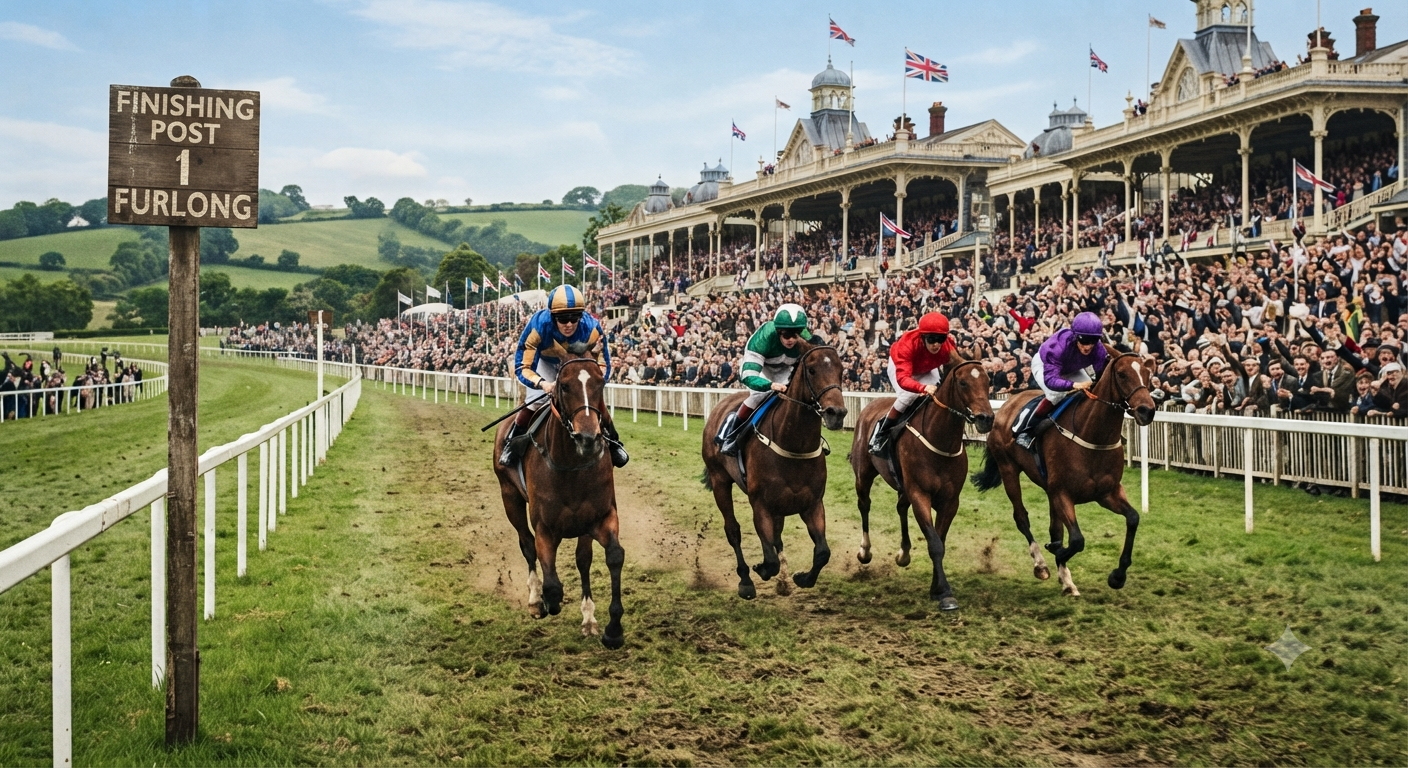
If you visit a British racecourse like Ascot or Cheltenham, you will see distances listed in a unit that seems totally alien to modern life: the Furlong. To understand why this unit survives, we have to look at the medieval mud of the English countryside.
The Length of an Oxen's Breath
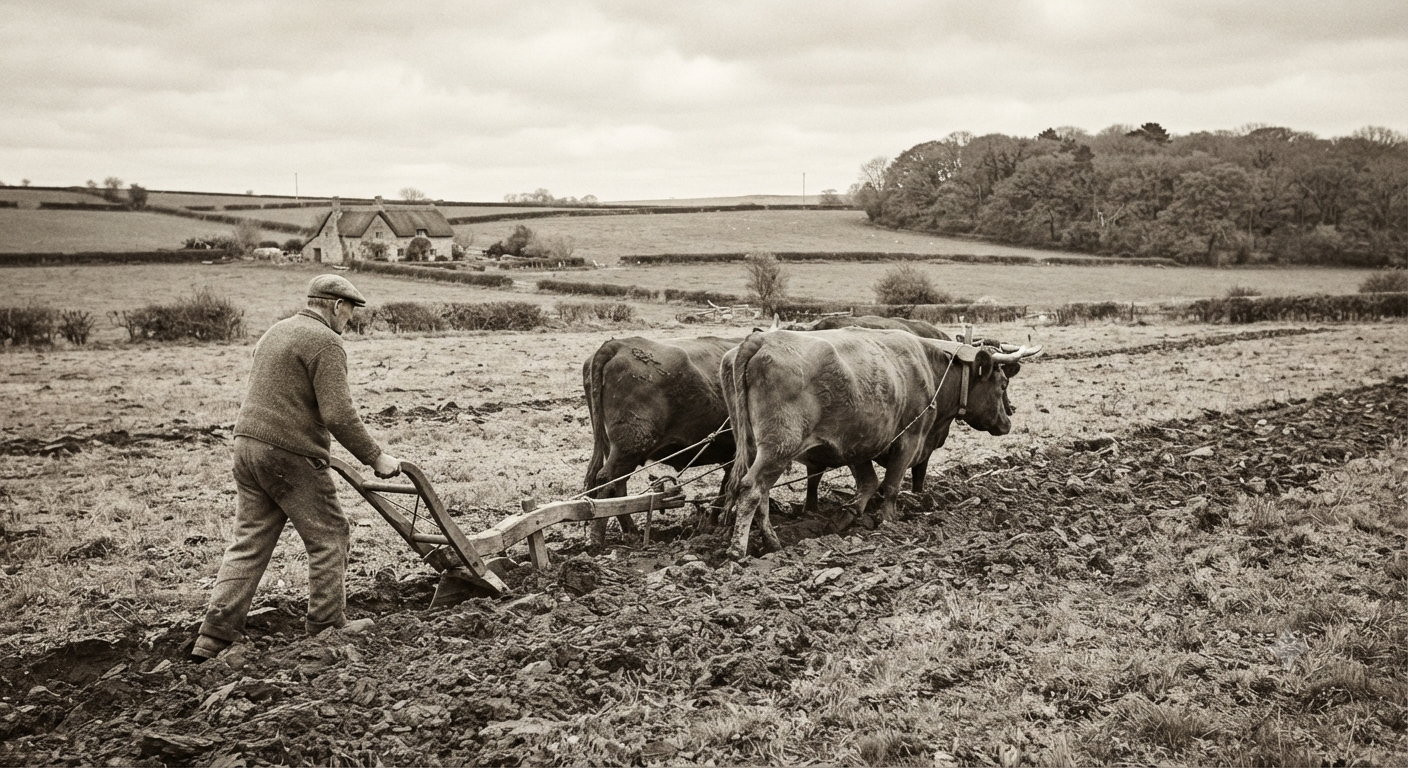
The word "furlong" is a linguistic compression of the Old English furh (furrow) and lang (long). In medieval England, fields were ploughed using heavy ox teams. A furlong was defined as the maximum distance eight oxen could continuously pull a heavy wooden plough before needing to stop, catch their breath, and turn around. Through centuries of farming tradition, this distance stabilised at exactly 220 yards (or 40 rods).
Why the Furlong Saved the Acre
The furlong was the building block of English land ownership. A traditional acre was defined as a plot one furlong in length and one "chain" (22 yards) in width. Because this rectangle allowed an ox team to plough a perfect day's work, the furlong became unchangeable—altering it would have meant redrawing every farm estate boundary in England.
From the Plough to the Saddle
During the reign of King Charles II, horse racing became the "Sport of Kings." When early racing clubs organised events, they utilised existing agricultural fields and public lands. Naturally, they used the pre-existing field boundaries—the furlongs—to measure out their tracks.
Victorian Fun Fact: By the Victorian era, the government attempted to phase out the furlong to simplify urban planning. The racing industry, however, flatly refused to abandon it. The government ultimately relented, leaving the furlong as a legal unit exclusively for equestrian racing.