Often overshadowed by its larger cousins, the Gill—pronounced with a soft "j"—is a measure steeped in both clinical precision and tavern folklore. From the quiet shelves of Victorian apothecaries to the rowdy decks of Royal Navy ships, this small volume has carved out a surprisingly oversized reputation in British history.
Origins and Early History
The gill originated in the Middle Ages and found its most vital early use in apothecary shops, where measuring rare tinctures precisely was a matter of life and death. A popular story connects it to the nursery rhyme: Jack and Jill, so the telling goes, are the jack (a half-gill) and the gill themselves, devalued by Charles I to raise revenue on liquid measures, so that when the jack fell the gill came tumbling after. It is a lovely explanation and almost certainly invented. The rhyme is not recorded until the late eighteenth century, well over a hundred years after Charles I, and no contemporary source connects the two. Like a great many measurement stories, it survives because it deserves to be true rather than because it is.
The Gill in the Victorian Era
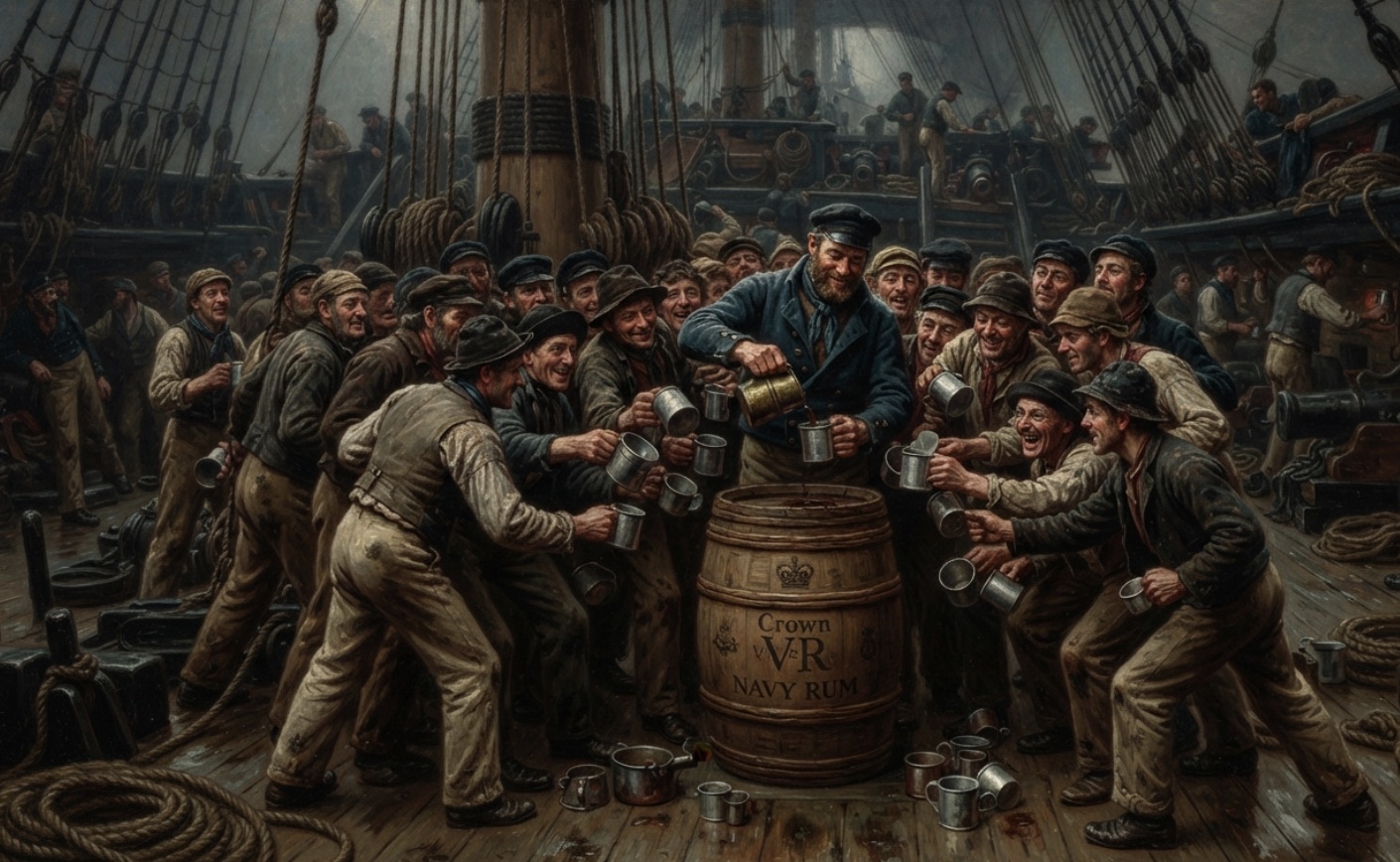
During the Victorian expansion, the gill became a vital measure in the Royal Navy. Sailors eagerly awaited their daily rum ration, which was measured precisely in gills—a tradition intended to boost morale and maintain order on long voyages. Ashore, it established its role as the quintessential measure for strong spirits in busy English pubs.
Modern Usage and Legacy
The great naval tradition ended on "Black Tot Day", 31 July 1970, when the final rum rations were poured. The gill outlasted it, though in fractions rather than whole: spirits were sold by the sixth or the fifth of a gill depending on where in Britain you were drinking, which meant a measure in Scotland was noticeably more generous than the same order in London. Metric measures of 25ml and 35ml replaced them, but the regional divide survived the changeover, which is why a single is still larger in some parts of the country than others.