The Hackney Carriage: Why 17th-Century Londoners Spent Their Lives Fighting Over Cab Fares
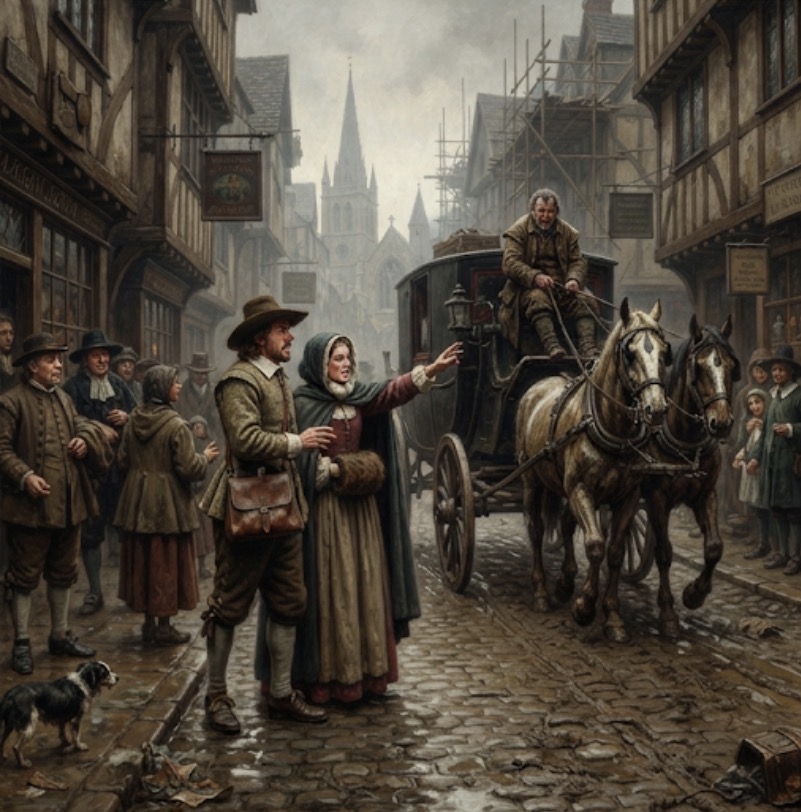
Imagine stepping out into the drizzly streets of seventeenth-century London, flagging down a heavy horse-drawn wooden carriage, and getting trapped in a screaming match with the driver because he’s trying to charge you triple the legal rate. While we love to complain about modern rideshare surge pricing or taximeters, our ancestors invented an entire regulatory nightmare just to keep horse-drawn cabbies honest.
Welcome to the surprisingly cutthroat history of the hackney carriage.
From Inn Yards to Royal Pain
Long before iconic black cabs ruled the asphalt, the hackney carriage exploded onto the transport scene in early seventeenth-century London. Named likely after the French term haquenée (an ambling horse used for ordinary riding) or the village of Hackney, these horse-drawn vehicles became the ultimate urban transit hack.
By the mid-1600s, they completely choked the narrow, muddy streets of the city. Wealthy pedestrians complained of being run down, noblemen grumbled that coaches blocked their private transport, and the Crown quickly realised a golden opportunity for taxation and strict control.
The Price of a Ride: Haggling Over the Groat
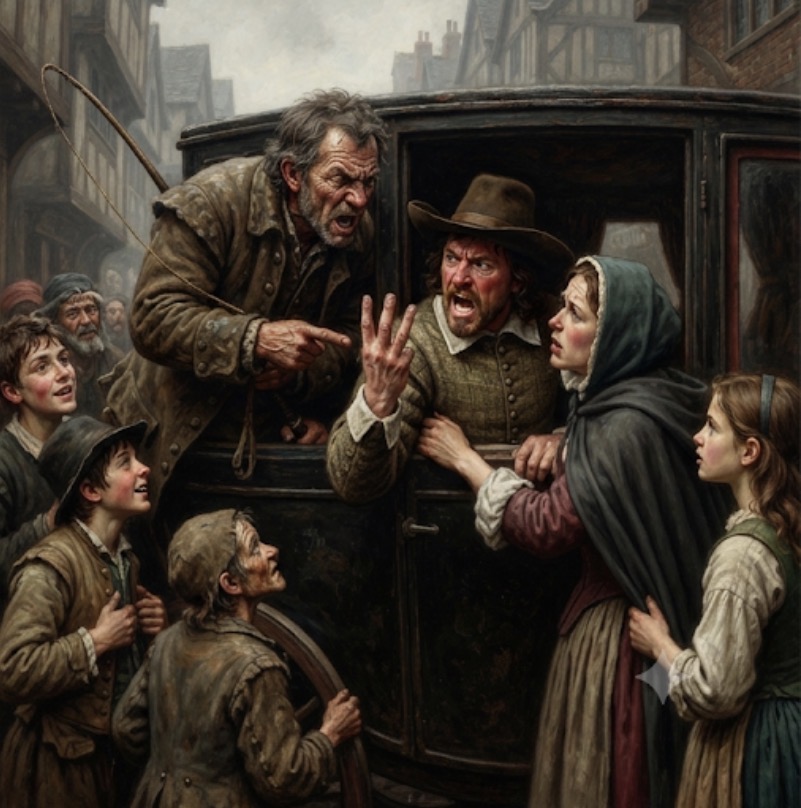
Setting a fair price for a horse-drawn carriage ride across town was a perpetual headache. With no standardised taximeters, fares were dictated by royal proclamation or local ordinances, often pinned to familiar silver denominations like the groat.
For a standard short hop down a cobbled London lane, a passenger might legally owe a single groat (four pence)—a tidy sum for a working person, but pocket change for a wealthy merchant. Naturally, unscrupulous coachmen quickly realised they could squeeze desperate travellers caught in a downpour for twice or triple the legal groats. This sparked endless shouting matches on street corners, forcing the Crown to continually update fare charts and threaten rogue drivers with heavy penalties.
The Original Taxi Meter Panic
Because digital apps were a few centuries away, Parliament tried everything to keep order:
The Distance Dilemma: Fares were initially set by the Privy Council based on vague zones or destinations. Naturally, drivers argued constantly about how long a "mile" actually was over rutted, mud-soaked roads.
The Legislative Crackdown: Authorities tried capping the number of licensed carriages, restricting operations on Sundays to let horses rest, and levying massive fines on rogue drivers operating without a royal badge.
Plus ça Change: History Repeating
Just like medieval bread laws and ancient shrinkflation, the hackney carriage proves that humans have spent centuries trying to solve the exact same problem: how to get from point A to point B without getting fleeced.
The next time you watch a ride-share app price surge during a rainstorm, just remember you aren't dealing with a stubborn coachman demanding extra groats in the seventeenth-century mud!